What Is the Delta Gap Formula?
What Is this Delta Gap Computation?
The delta gap is a calculation used in acid-base disorder assessment to measure the increase in the anion gap with the drop in serum bicarbonate. It helps doctors find whether a patient’s metabolic acidosis is more involved than it initially seems. In practical terms, the delta gap tests whether the change in acid load matches the change in plasma bicarbonate, which can suggest a hidden mixed acid-base disorder.
Because the anion gap reflects unmeasured anions, a change in the gap can signal a metabolic derangement that standard electrolytes do not fully account for. The delta gap provides another layer of analysis by weighing the expected loss of bicarbonate to the actual loss. This makes it a useful diagnostic clue in acid-base analysis, especially when the cause of acidosis is not obvious from the initial laboratory results.
In simple language, the delta gap asks: if the anion gap went up, did bicarbonate fall by the same amount? If not, the pattern may suggest an additional process such as normal anion gap metabolic acidosis or metabolic alkalosis. That is why this calculation is often used as part of a structured diagnostic approach rather than as a stand-alone answer.
How an Anion Gap Calculator Works
An anion gap calculator relies on routine serum chemistries to estimate the anion gap from the primary measured electrolytes. The core inputs are serum sodium, serum chloride, and serum bicarbonate. In its usual form, the calculator follows a straightforward formula: sodium minus chloride minus bicarbonate.
This calculation assists in estimating the balance between measured cations and measured anions. When the result is greater than the expected reference range, it suggests the presence of extra acids or other unmeasured anions. That makes the anion gap a helpful screening tool for acid-base balance problems.
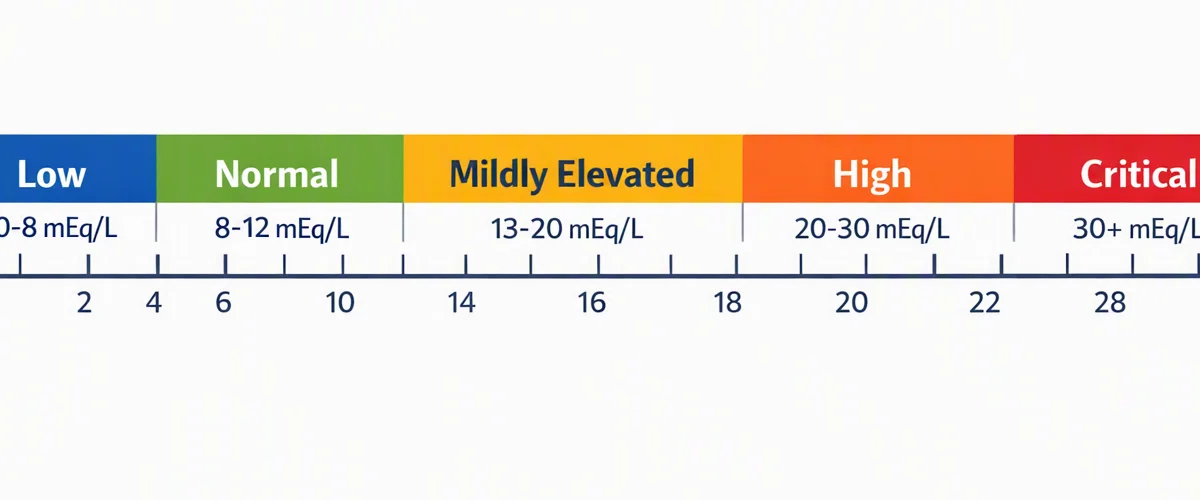
For example, if serum sodium is 140, serum chloride is 100, and serum bicarbonate is 12, the anion gap is 28. A calculator makes this rapid, but the interpretation still depends on the clinical picture. The number itself is only the beginning for further interpretation.
Many calculators also help with related calculations, such as a corrected anion gap when albumin is low. Because albumin is a major unmeasured anion, low albumin can obscure a true elevation in the gap. In that setting, albumin correction enhances the accuracy of acid-base interpretation and supports better clinical decision-making.
In other words, the calculator is helpful for quick math, but not for replacing judgment. The final result should always be assessed against symptoms, medication exposure, and the overall acid-base pattern.
Delta Gap Equation and Step-by-Step Calculation
The delta gap calculation is usually based on the delta ratio, which compares the change in anion gap to the change in bicarbonate. The basic concept is to determine whether the increase in the expected anion gap is paired with the decrease in bicarbonate. This helps show whether the acidosis is pure or composite.
A typical stepwise approach is:
- Calculate the measured anion gap.
- Subtract the upper limit of the normal anion gap to calculate the delta anion gap.
- Deduct the measured bicarbonate from a normal bicarbonate value to calculate the bicarbonate change.
- Match up those two changes to calculate the delta ratio.
One common teaching method uses a normal anion gap of about 12 and a normal bicarbonate of about 24. If the measured anion gap is 28, the delta anion gap is 16. If the bicarbonate is 12, the bicarbonate deficit is also 12. Evaluating those values can suggest whether the increase in gap is relative to the drop in bicarbonate.
Some clinicians also mention a corrected bicarbonate value. This is an adjusted bicarbonate after allowing for the rise in the anion gap. If the corrected bicarbonate is surprisingly low, it may indicate an additional normal anion gap metabolic acidosis. If it is surprisingly anion gap clinical significance high, a concurrent metabolic alkalosis may be present.
The term delta-delta is often employed for the same concept, though usage can vary. In practice, it is another way of asking whether the increase in acid burden and the decrease in bicarbonate are aligned. That alignment is the key to identifying a mixed acid-base disorder.
A useful way to think about the formula is: change in anion gap versus change in bicarbonate. When those changes do not match, something additional is happening.
When to Apply Delta Gap in Acid-Base Analysis
The delta gap is most useful when the patient has metabolic acidosis and the anion gap is elevated. It is especially valuable in high anion gap metabolic acidosis, where the initial question is whether one disorder explains the full picture. If the acid-base pattern seems too severe or not severe enough for the measured numbers, the delta gap can provide a more accurate interpretation.
Use it when the diagnosis is not clear, when laboratory values suggest multiple processes, or when the bicarbonate level seems not in line to the anion gap. This is common in complicated illness, overdose evaluation, kidney disease, and severe infection. The calculation can uncover a hidden concurrent process that would otherwise be missed.
For example, a patient with high anion gap metabolic acidosis may also have vomiting, which can create a metabolic alkalosis. Another patient may have simultaneous diarrhea, leading to a normal gap acidosis on top of an elevated gap state. The delta gap helps identify these mixed disorders and supports a more accurate diagnostic approach.
In practice, the calculation is not needed for every electrolyte abnormality. It is most helpful when the clinical question is: “Is this just high anion gap metabolic acidosis, or is there a second acid-base disorder too?” That is where the delta ratio and delta-delta concepts become especially important.
Interpreting Delta Gap Results
Delta gap analysis focuses on whether the elevation in the anion gap corresponds to the fall in bicarbonate. If the ratio is near expected values, the patient may have a largely isolated high anion gap process. If the ratio is unexpected, it can indicate an additional disorder.
As a practical guide:
- A low delta ratio can point to a concurrent normal anion gap metabolic acidosis.
- A ratio around the expected range may support isolated high anion gap acidosis.
- A high ratio may point to metabolic alkalosis or preexisting elevated bicarbonate.
The delta-delta approach is similar: compare the increase in the anion gap with the drop in bicarbonate. If the bicarbonate deficit is larger than expected, another acid-losing process may be present. If the bicarbonate deficit is less than expected, some other alkalinizing process may be offsetting the acidosis.
Lactic acidosis is a typical cause of elevated anion gap and can produce a substantial change in acid-base status. If the delta gap does not align with the measured bicarbonate, the discrepancy may reflect an additional process rather than a calculation error. This is why interpretation should be linked to the clinical context and not just the formula.
Another way to understand the result is as a check on compensatory change. The body’s response to acid accumulation may alter ventilation and bicarbonate handling, but compensation has defined limits. If the numbers do not fit those limits, a mixed disturbance becomes more likely.
Common Causes of Unusual Delta Gap Values
Unusual delta gap values commonly appear when increased anion gap metabolic acidosis is accompanied by another acid-base problem. A number of common factors can influence the calculation and its interpretation.
Ketoacidosis is a major example. In diabetic, alcoholic, or starvation-related ketoacidosis, the acid load elevates the anion gap while bicarbonate drops. If the delta gap suggests more bicarbonate loss than expected, an additional normal gap acidosis may also be present.
Renal failure can also produce abnormal results. Reduced acid excretion leads to retention of acids and accumulation of unmeasured anions. At the same time, kidney dysfunction may impair bicarbonate handling, leading to a complex pattern that does not fit a simple one-process explanation.
Toxic alcohols are another important cause. Compounds such as methanol or ethylene glycol can generate acids that raise the anion gap. In these situations, the delta gap can be a diagnostic clue, but the clinical picture, exposure history, and other laboratory results remain essential.
Other disorders may also influence the pattern. Severe diarrhea, saline administration, vomiting, and chronic kidney disease can all alter the relationship between anion gap and bicarbonate. The central point is that abnormal delta gap values often reflect more than one mechanism operating at once.
Restrictions of the Delta Gap Calculation
The delta gap is helpful, but it has definite limits. It depends on reliable laboratory values, uniform formulas, and careful use of albumin correction. If albumin is low and the gap is not corrected, the calculated result may underestimate the true acid load. That can lead to misleading interpretation.
Different labs may also use somewhat different reference ranges, so the exact cutoff for a typical or elevated anion gap can vary. That means the calculation is dependent to the specific reference range used by the laboratory. Even minor differences can affect the delta ratio and the final interpretation.
Another limitation is that the delta gap does not reveal the cause of the disorder by itself. It may point toward a mixed pattern, but it does not distinguish among all possible causes. A high or low result still needs clinical context, including medications, kidney function, oxygenation, perfusion, and history of ingestion or illness.
It is also important to remember that formulas are only approximations. The body’s acid-base balance is constantly changing, and the measured electrolytes reflect only one part of the system. For that reason, the delta gap should be used as part of a https://anion-gap-calculator590.almoheet-travel.com/anion-gap-calculator-patient-guide-to-lab-results more complete acid-base analysis, not as the ultimate answer.
Frequently Asked Questions: Delta Gap and Anion Gap Calculator Questions
What is the delta gap calculation used for?
The delta gap calculation is used to determine whether an elevated anion gap is accompanied by the expected drop in bicarbonate. It helps detect a combined acid-base disorder, especially in metabolic acidosis. Clinicians use it to sharpen interpretation when the standard anion gap result does not fully explain the laboratory pattern.
How do you calculate the delta gap from an anion gap result?
To begin, calculate the anion gap using serum sodium, serum chloride, and serum bicarbonate. Then compare the elevation above the normal anion gap with the decrease in bicarbonate. This comparison is often expressed as the delta ratio or delta-delta. An anion gap calculator can speed up the first step, but the delta gap requires clinical interpretation of both the gap and bicarbonate change.
What does a high or low delta gap indicate?
A reduced delta gap or low delta ratio may suggest an additional normal anion gap metabolic acidosis. A elevated delta gap may suggest a concurrent metabolic alkalosis or a preexisting elevated bicarbonate level. Either result indicates that the acid-base disorder is more complex than isolated high anion gap metabolic acidosis.
Can the delta gap identify a mixed acid-base disorder?
Yes. One of the main uses of the delta gap is to help identify a multifactorial acid-base disorder. By comparing the increase in anion gap with the fall in bicarbonate, it can show whether more than one process is affecting the patient’s acid-base balance. It is a helpful clue, but it should always be checked against the clinical picture.
What are the limitations of using an anion gap calculator for delta gap interpretation?
An anion gap calculator is useful for quick calculations, but it does not account for all factors affecting interpretation. Low albumin can distort the result unless albumin correction is applied, and different laboratory values may use different reference ranges. Most importantly, the delta gap must be interpreted in the clinical setting, since the numbers alone cannot diagnose the cause of the acid-base disorder.