Anion Gap Calculator for Nursing Nursing Assessment and Lab Interpretation
What the Anion Gap Measures
The anion gap is a calculated value that supports nurses evaluate the relationship of electrolytes in the blood and assess possible causes of metabolic acidosis. It illustrates the relationship between the major measured cations and anions in serum chemistry, most commonly using sodium, chloride, and bicarbonate. Although the value is not directly reported by most labs, it is a valuable screening and assessment tool for identifying acid-base problems and guiding clinical correlation.
For nursing practice, the anion gap is especially helpful when a patient has altered mental status, tachypnea, dehydration, sepsis concerns, kidney dysfunction, or an abnormal basic metabolic panel. A normal or abnormal result does not stand alone as a diagnosis. Instead, it enhances interpretation of the broader clinical picture, including the patient’s symptoms, trend in lab values, and overall acid-base balance.
A key nursing concept is that a changed anion gap can point toward either high anion gap metabolic acidosis or normal anion gap metabolic acidosis. The distinction matters because the underlying causes differ and the follow-up actions may change quickly. Nurses can use the result to strengthen assessment, anticipate additional labs, and communicate concerns early to the provider or rapid response team if needed.
In simple terms, the anion gap helps answer whether there are unmeasured acids building up in the bloodstream. That information can support diagnosis, screening, and monitoring, especially when paired with an arterial blood gas, serum chemistry, and bedside assessment.
How to Work With an Anion Gap Calculator
An anion gap calculator is a practical tool for point-of-care and chart review use. Nurses enter key lab values from the patient’s basic metabolic panel or serum chemistry panel, usually sodium, chloride, and bicarbonate. The calculator then uses the standard formula and displays the result for interpretation.
To operate the calculator accurately, first verify that the lab values are current and collected from the same calculate anion gap step by step specimen whenever possible. Small changes in timing can affect interpretation, especially if the patient is receiving IV fluids, bicarbonate therapy, insulin, or diuretics. If the result seems inconsistent with the patient’s condition, verify the numbers before acting on the abnormal result.
A typical nursing workflow may be organized this way:
- Assess the basic metabolic panel or serum chemistry results.
- Input sodium, chloride, and bicarbonate into the calculator.
- Determine whether the output falls within the lab reference range.
- Compare the result with the patient’s symptoms, vital signs, and history.
- Consider whether the pattern suggests metabolic acidosis or another acid-base issue.
- Escalate concerns if the value is critical or the patient is worsening.
Because the calculator is only one part of assessment, nurses should avoid over-interpreting the number in isolation. Clinical correlation is essential. A patient with sepsis, diabetic crisis, or kidney injury may have a meaningful abnormality even if the number is only mildly shifted. Conversely, a lab artifact or specimen issue may create a result that does not match the bedside picture.
For documentation, note the source of the lab values, the calculated result, the patient’s condition, and any provider notifications. This supports patient safety and creates a clear record of nursing interpretation and follow-up.
Anion Gap Formula and Normal Ranges
The standard anion gap formula is commonly: usually:
anion gap = sodium - (chloride + bicarbonate)
Certain institutions use a version that includes potassium, but most nursing references and calculators use the streamlined formula above. When using any calculator, adhere to the facility’s reference method so the result aligns with the lab reference range used in that setting.
The normal range varies by testing method and analyzer. Nurses should routinely compare the calculated value with the local lab reference range, not just a textbook number. In general, a normal result suggests that major measured ions are in expected balance, while an elevated or low value may indicate an underlying acid-base disorder or other condition that needs more review.
Albumin is important because it is a major unmeasured anion in the blood. Low albumin can lower the measured anion gap and mask a clinically significant abnormality. That is why some patients need a corrected anion gap. The correction helps nurses and providers interpret whether the true acid burden may be higher than the raw number suggests.
Correcting for albumin is especially helpful when the patient has malnutrition, liver disease, inflammation, fluid overload, or another condition associated with hypoalbuminemia. In these cases, a “normal” raw value may not fully reflect the patient’s acid-base status. Nurses should recognize this as a correction issue rather than assuming the result is reassuring on its own.
The calculator output should always be interpreted in the context of the full picture: serum chemistry, clinical symptoms, trends, and possible sources of acid accumulation or bicarbonate loss. That approach improves screening accuracy and supports safer escalation decisions.
Frequent Causes of an Elevated Anion Gap
An increased anion gap often indicates metabolic acidosis resulting from accumulation of hidden acids. The main causes nurses encounter include lactic acidosis, ketoacidosis, and renal failure. These conditions may develop quickly and can be associated with abnormal vital signs, decreased perfusion, dehydration, infection, or altered mental status.
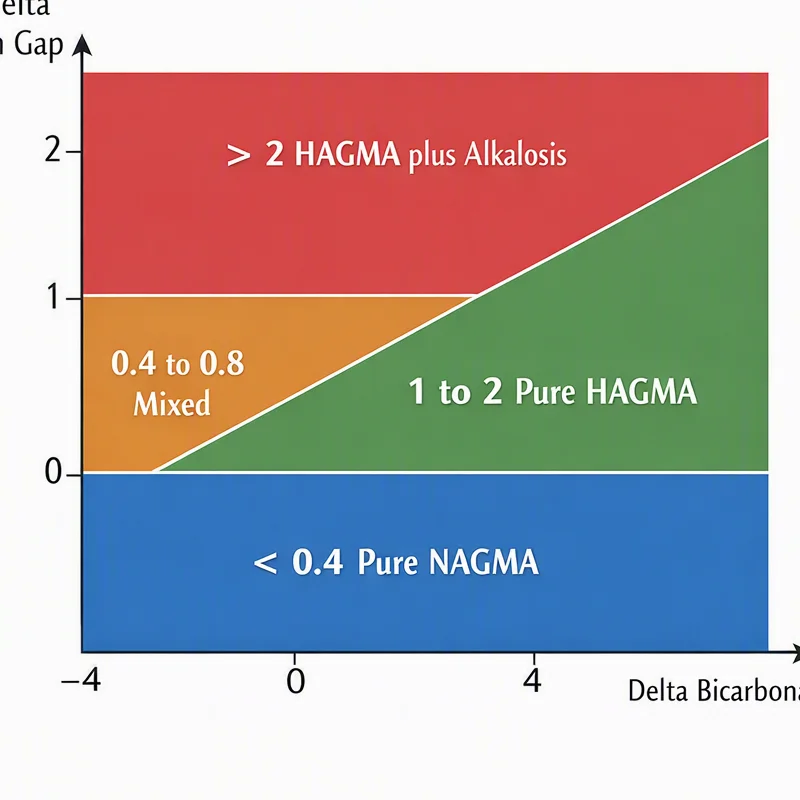
Lactic acidosis occurs when the body makes too much lactate or cannot clear it effectively. It may be seen in shock states, severe infection, hypoxia, seizures, or poor tissue perfusion. Nurses often notice tachycardia, hypotension, increased respiratory rate, and a sick-appearing patient before the lab result is reviewed. In this setting, the anion gap helps confirm the need for urgent reassessment and provider notification.
Ketoacidosis is another common cause, especially in diabetes, starvation, or alcohol-related illness. A patient may present with nausea, vomiting, abdominal pain, dehydration, fruity breath, or deep respirations. The calculator output may reinforce the suspicion of high anion gap metabolic acidosis and help guide follow-up labs such as glucose, ketones, and arterial blood gas results.
Renal failure can also increase the anion gap because the kidneys cannot clear acids normally. As renal function declines, acid buildup may worsen and the patient may develop additional electrolyte imbalance. Nurses should watch for rising creatinine, reduced urine output, weakness, confusion, or fluid overload. Trend review is especially important because the pathophysiology may progress over hours to days.
Other causes may include toxins or medication effects, but in bedside nursing practice the first step is usually to identify whether the pattern is consistent with common high-gap causes. The key is not just the number itself, but whether the result fits the patient’s presentation and whether urgent intervention may be needed.
Low Anion Gap: Reasons and Meaning in Practice
A low anion gap is seen less often, but it still deserves attention. One frequent anion gap clinical significance cause is hypoalbuminemia, because albumin contributes significantly to the unmeasured anions in serum. When albumin is low, the raw result may come under the expected range even if there is no major acid-base disorder. This is why albumin correction should be considered in assessment and interpretation.
Multiple myeloma is another important cause to consider. In this condition, abnormal proteins in the blood can affect the calculation and create a low anion gap. Nurses do not diagnose multiple myeloma from this result alone, but the finding may support broader clinical correlation, especially if the patient also has anemia, bone pain, kidney problems, or unexplained fatigue.
Lab error should always be considered. Specimen contamination, processing issues, or transcription problems can produce a misleading abnormal result. If the number does not fit the clinical picture, repeat testing or verification may be appropriate. This is a patient safety issue, not just a technical detail.
A low anion gap may also occur when the patient has a high level of positively charged proteins or unusual electrolyte patterns, but nurses should begin with the most common explanations: hypoalbuminemia, multiple myeloma, and lab error. The clinical meaning depends on the whole assessment, not just the formula output.
From a nursing perspective, the most useful question is whether the low value changes monitoring, documentation, or escalation. If the patient is stable and the cause is known, the result may simply support ongoing follow-up. If the finding is new, unexplained, or associated with other abnormal results, additional workup may be needed.
Nursing Evaluation and Subsequent Actions
Nursing review should connect the calculator result to the patient’s actual condition. Begin with symptoms, vital signs, mental status, respiratory pattern, and fluid balance. Then examine the basic metabolic panel, any available ABG data, and the trend in prior labs. This broader view strengthens interpretation and helps distinguish a transient change from a worsening acid-base problem.
On the bedside assessment, look for signs that indicate acid-base disturbance: tachypnea, Kussmaul-like breathing, confusion, lethargy, nausea, vomiting, dehydration, decreased urine output, or chest discomfort. If the patient is on oxygen, ventilatory support, insulin, or IV fluids, note that these therapies may affect the numbers and the clinical course. Monitoring should remain ongoing even after the initial abnormal result is recognized.
Follow-up actions may include:
- Rechecking vital signs and mental status.
- Checking the basic metabolic panel for related abnormalities.
- Comparing the anion gap with the lab reference range and prior results.
- Screening for signs of infection, hypoperfusion, hyperglycemia, or renal decline.
- Securing or reviewing an arterial blood gas if ordered or clinically indicated.
- Confirming whether albumin correction is needed.
- Recording the abnormal result and all escalation steps.
An arterial blood gas can be highly helpful when the patient has respiratory distress, altered mentation, or suspected severe acid-base imbalance. It provides important information about pH, CO2, and bicarbonate status. A normal or abnormal anion gap alone does not replace ABG interpretation; the two work together for a more complete assessment.
For documentation, use clear, concise language. Include the lab values reviewed, the calculator result, the patient’s symptoms, the clinical correlation, and any provider communication. If the result changed from prior values, document the trend. This supports continuity of care and helps the next nurse understand the current monitoring plan.
When to Step up Care or Inform the Provider
Escalation should be based on both the number and the patient’s condition. A result that represents a high-risk result or a rapidly changing pattern should prompt timely provider notification according to facility policy. Even if the value is not formally critical, a concerning trend with symptoms may still warrant urgent communication.
Alert the provider promptly if the abnormal result is associated with worsening status, such as hypotension, worsening tachypnea, confusion, reduced urine output, severe hyperglycemia, chest pain, or signs of shock. These findings may suggest an evolving acid-base emergency rather than a stable lab variation.
An mineral imbalance may accompany the abnormal anion gap and increase risk for arrhythmia, weakness, or neurologic change. If the patient has potassium abnormalities, worsening renal function, or a severe change in bicarbonate, escalation should be faster. In many cases, nursing judgment focuses on the full pattern rather than a single isolated number.
Immediate follow-up is also appropriate when the result does not match the bedside picture and a repeat test may be needed. This protects patient safety by reducing the chance that a specimen issue, transcription problem, or delayed report leads to missed care. If the patient’s condition is unstable, do not wait for repeated abnormal values before acting.
In nursing workflow, the best approach is to combine assessment, careful interpretation, monitoring, and prompt communication. The calculator supports that process, but it does not replace clinical judgment. The goal is to identify risk early, support timely treatment, and reduce the chance of missed acid-base deterioration.
Common Questions
What is an anion gap calculator used for?
An anion gap calculator is designed to rapidly compute the anion gap from sodium, chloride, and bicarbonate values. For nurses, it aids in evaluating acid-base balance, helps screen for metabolic acidosis, and guides interpretation of abnormal lab results in the context of the patient’s condition. It is particularly valuable when paired with the basic metabolic panel, ABG results, and clinical correlation.
How do nurses determine the anion gap from lab values?
Nurses calculate the anion gap by using the formula: sodium minus the sum of chloride and bicarbonate. Many facilities and calculators use this simplified formula because it is quick and convenient for bedside interpretation. Always verify the local reference range and use the same lab values from the same specimen when possible. If albumin is low, determine whether a corrected anion gap is needed.
What does an elevated anion gap mean?
A high anion gap usually suggests an accumulation of unmeasured acids and may indicate high anion gap metabolic acidosis. Common causes include lactic acidosis, ketoacidosis, and renal failure. Nurses should assess the patient for symptoms, review related labs, and watch for signs of worsening illness or electrolyte imbalance. The value should always be interpreted alongside the patient’s presentation.
Why does albumin matter when correcting the anion gap?
Albumin is a major unmeasured anion in the blood, so low albumin can make the raw anion gap appear falsely low. Correcting for albumin helps show whether the patient’s true acid-base status may be more abnormal than the uncorrected number suggests. This is especially important when hypoalbuminemia is present, because the correction improves interpretation and reduces the chance of missed metabolic acidosis.
When should a nurse notify the provider about an abnormal anion gap?
Notify the provider when the abnormal value is a critical value, is new or worsening, or occurs with clinical deterioration such as altered mental status, hypotension, tachypnea, or other signs of instability. Escalation is also appropriate if the result suggests severe metabolic acidosis, if there is concern for lab error that needs confirmation, or if the patient’s electrolyte imbalance and overall condition require urgent review. Always follow facility policy and document the communication clearly.