Anion Gap Calculator for Hospital Lab Analysis
What the Anion Gap Represents
An Anion Gap Calculator helps lab teams and clinicians determine the difference between measured cations and anions in serum chemistry. The output is a calculated value that aids diagnostic interpretation of electrolytes and acid-base status, especially when reviewing an electrolyte panel or a basic metabolic panel.
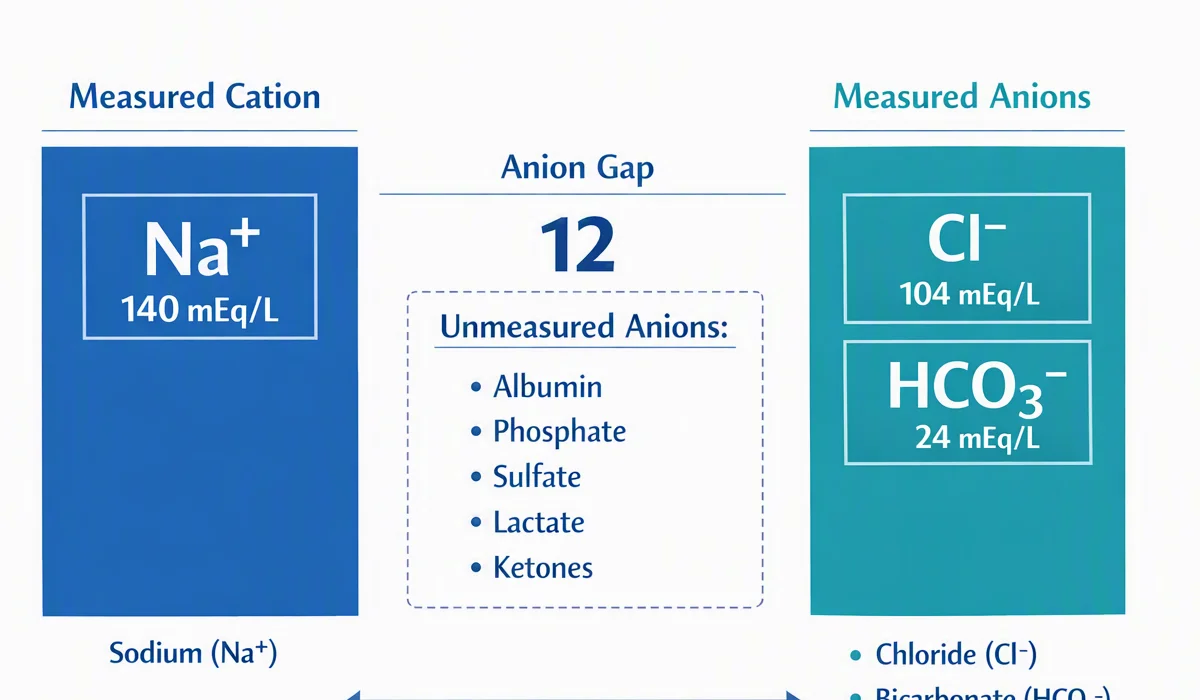
The anion gap reflects electrical neutrality in plasma. Because the body maintains charge balance, the measured serum sodium is compared against measured serum chloride and serum bicarbonate. The gap is not a direct count of ions; it is an estimate of unmeasured anions and may help identify anion excess or anion deficit patterns that may signal metabolic acidosis or another abnormal result.
In a hospital laboratory setting, the anion gap is useful for physiologic assessment because it adds perspective to routine lab values. A normal electrolyte panel may still hide a significant acid-base disorder, and a single calculated value can support clinical decision support when deciding whether additional testing or urgent review is warranted.
How to Use an Anion Gap Calculator
The anion-gap equation is commonly expressed as:
Anion gap = serum sodium − (serum chloride + serum bicarbonate)
Some laboratories may use a different convention https://anion-gap-help655.capitaljays.com/posts/anion-gap-calculator-for-uremic-acidosis that includes potassium, but most hospital workflows rely on the sodium-based formula because it is more straightforward and aligns with common lab reference range reporting. The key is to use the same method consistently when comparing serial lab values or interpreting a new calculated value against the local reference range.
To apply an Anion Gap Calculator correctly, enter the current input values from the patient’s serum chemistry or metabolic panel. The result depends on accurate measurement of serum sodium, serum chloride, and serum bicarbonate. If the calculator includes an albumin adjustment, enter the current serum albumin value as well.
Common workflow steps often look like this:
- Confirm the correct specimen and time of collection.
- Review the electrolyte panel or basic metabolic panel for serum sodium, serum chloride, and serum bicarbonate.
- Review the lab reference range used by the hospital laboratory.
- Perform albumin correction if serum albumin is low or if the protocol requires it.
- Interpret the calculated value in the context of acid-base disorders and the full clinical picture.
For laboratory professionals, the value of the calculator is not just speed. It supports diagnostic accuracy, helps with consistent interpretation, and helps standardize how abnormal results are flagged and reviewed across the hospital laboratory.
Normal, Increased, and Decreased Anion Gap Results
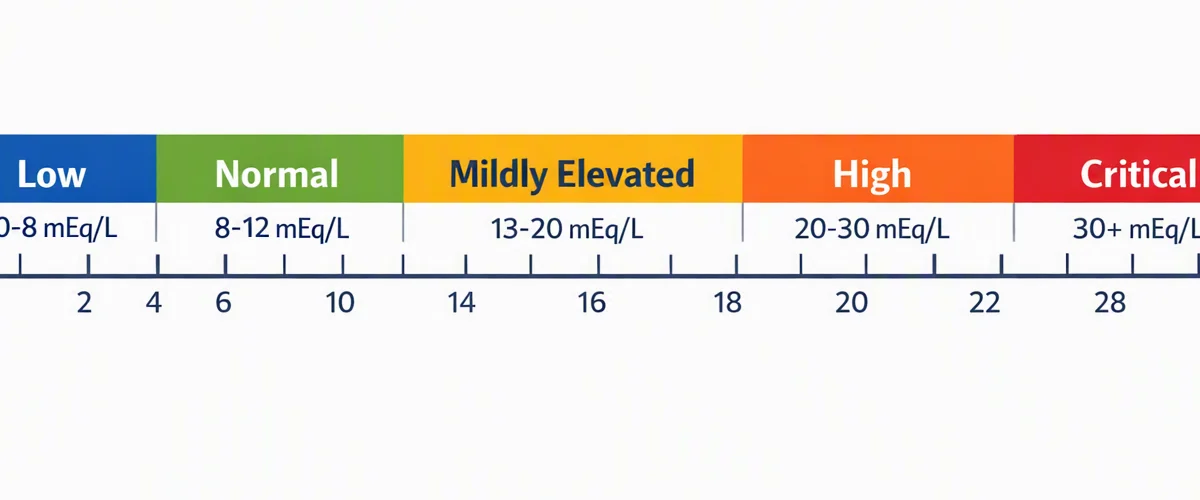
A normal anion gap shows that the measured blood electrolytes are in expected balance within the lab’s reference interval. Still, the exact cutoff depends on the analyzer, specimen handling, and reporting conventions. That is why the local reference range matters more than a generic number.
A elevated anion gap metabolic acidosis suggests an accumulation of unmeasured acids in the blood. In this situation, bicarbonate is often reduced because it is consumed buffering the excess acid, while the gap increases because unmeasured anions rise. This pattern is important for identifying metabolic acidosis caused by several conditions, including lactic acidosis, ketoacidosis, and renal failure.
A low anion gap is less common but can be clinically meaningful. It may occur with hypoalbuminemia, measurement issues, or unusual increases in positively charged proteins or ions. Because low values are often overlooked, a hospital lab workflow should regard them as possible clues rather than dismissing them outright.
Assessing the number requires more than labeling it normal or abnormal. A result should be evaluated alongside the patient’s acid-base balance, serum chemistry profile, and any recent changes in treatment or clinical status. The calculator provides a starting point, but the interpretation is always a combined physiologic and laboratory judgment.
Primary Causes of a Deviated Anion Gap
Multiple disorders can move the anion gap beyond the expected range. Recognizing the most common causes helps lab personnel and physicians relate the derived value with likely pathology.
Lactic acidosis is a common cause of high anion gap metabolic acidosis. When tissue oxygen delivery is impaired or metabolism is disrupted, lactate rises and contributes to extra anions. In a hospital laboratory, a rising gap may prompt correlation with lactate testing, perfusion status, and overall clinical risk stratification.
Ketoacidosis is a further major cause. In diabetes-related, alcoholic, or starvation-related states, ketone bodies rise and lower bicarbonate while increasing the anion gap. Serial lab values can help track response to therapy and provide objective evidence of improving metabolic acidosis.
Renal insufficiency can also produce a high gap because the kidneys are less capable to excrete acid and retain normal electrolyte balance. As retained acids build up, the calculated value rises. This is especially important when reviewing serum chemistry in patients with progressively reduced kidney function.
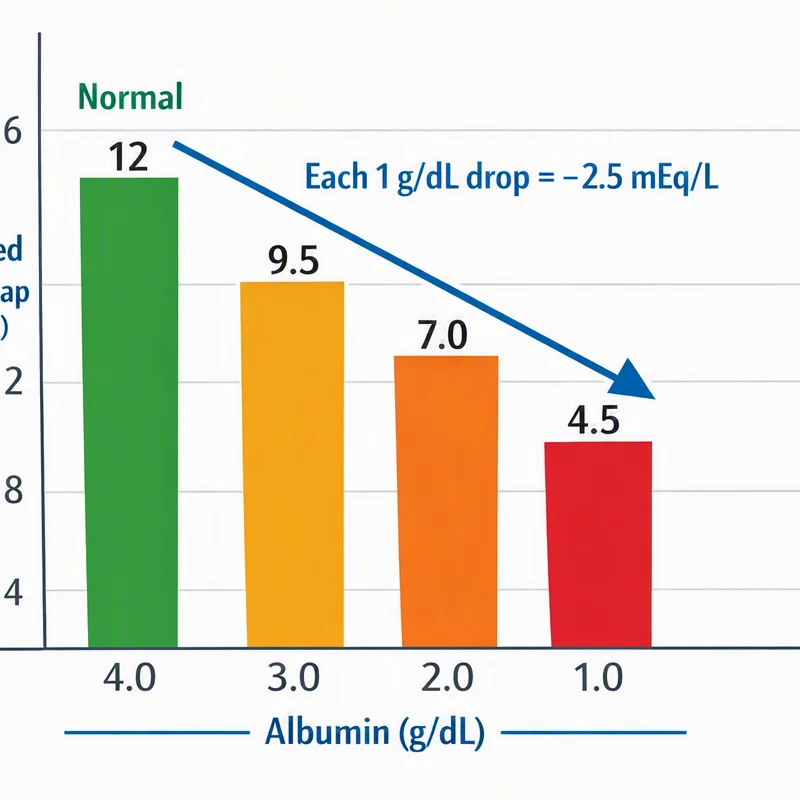
Hypoalbuminemia is a major cause of a low or deceptively normal result. Albumin is a negatively charged protein and contributes significantly to the unmeasured anion pool. When serum albumin falls, the anion gap may appear lower than expected even when a clinically important acid-base disorder is present.
Other causes can include laboratory variation, unmeasured cations, and paraproteinemia. Because these factors can alter the result without a classic acid-base presentation, the hospital laboratory should interpret the number in context rather than in isolation.
Corrected Anion Gap & Albumin Compensation
The revised anion gap accounts for the effect of serum albumin on the measured result. Because albumin carries negative charge, changes in serum albumin can mask or distort the apparent gap. For that reason, albumin adjustment is often suggested when reading the result in hospitalized patients.
The calculation factor varies by institutional protocol, but the basic concept is consistent: if serum albumin is below normal, the anion gap should be adjusted up to better reflect the true acid-base state. This is known as anion gap correction, and it improves the usefulness of the calculated value in diagnostic interpretation.
Protein charge matters because of protein binding and the contribution of albumin to measured electroneutrality. When albumin decreases, fewer negative charges are available in the plasma, which can reduce the observed gap even in the presence of clinically important metabolic acidosis. In those cases, a corrected anion gap may reveal hidden anion excess.
A practical approach is to reassess serum albumin whenever the anion gap is unexpectedly low, borderline, or discordant with the rest of the clinical picture. Albumin adjustment is especially valuable in critically ill patients, where physiologic changes and fluid shifts can skew the apparent lab values.
The corrected value should not replace clinical judgment. Instead, it refines interpretation by adjusting for one of the most important sources of bias in the uncorrected result. This makes the calculator more useful for hospital laboratory decision support and increases confidence in the final assessment.
Diagnostic Interpretation in Medical Labs
During standard workflow, the anion gap is typically reviewed alongside the basic metabolic panel and, when needed, blood gas testing. Taken together, these tests help characterize acid-base disorders and show whether a patient has acidosis due to metabolism, mixed disorders, or another physiologic disturbance.
The electrolyte panel provides the key inputs for calculation and is often the first source of concern when a clinician notices a change in sodium, chloride, or bicarbonate. A calculator can accelerate diagnostic interpretation by turning these values into a helpful calculated value that supports immediate review.
From the lab viewpoint, the anion gap serves as a bridge between raw serum chemistry data and actionable interpretation. It supports clinical decision support by highlighting patterns that call for follow-up testing, such as lactate, ketones, renal markers, or repeat blood gas analysis. It also supports risk stratification when serial lab values show a widening gap or a rapid change over time.
Hospital laboratory professionals often use the calculated value to identify whether the findings fit high anion gap metabolic acidosis, normal anion gap acidosis, or a low anion gap pattern. This is especially helpful when the patient’s presentation is complex or when multiple causes of acid-base disorders may coexist.
Good interpretation also requires attention to trends. A single abnormal result may reflect temporary shifts, while a persistent abnormal pattern is more likely to represent a true physiologic problem. The diagnostic value of the calculator increases when it is used consistently with other laboratory and clinical findings.
Limitations and Pitfalls
Although the anion gap is a valuable tool, it has significant limitations. One of the most common is laboratory variation. Various analyzers, calibration methods, and specimen conditions can slightly change serum sodium, serum chloride, or serum bicarbonate values, which affects the final calculated value and the apparent reference range.
Measurement error is also a concern. Small analytic errors in chloride or bicarbonate can create a misleading abnormal result, especially when the true gap is near the cutoff. Because of this, unexpected values should be checked against the broader clinical picture and, when appropriate, repeated for confirmation.
Unmeasured cations can reduce the gap and make an abnormal state appear less obvious. Such examples include excess positively charged substances that alter electroneutrality. In these cases, the calculator may underestimate the true disturbance, so clinicians should avoid relying on the number alone.
Paraproteinemia can also distort interpretation. Abnormal proteins may affect the balance of charges in serum and produce a low anion gap. If the result is persistently low without an obvious explanation, the laboratory and clinical team may need to consider protein studies or additional evaluation.
The key pitfall is assuming the number is definitive. The anion gap is a screening and interpretation tool, not a standalone diagnosis. Its value is greatest when integrated with serum chemistry, albumin, blood gas analysis, and the full hospital laboratory context.
Frequently Asked Questions
What does the Anion Gap Calculator help with?
The Anion Gap Calculator is intended for clinical interpretation of electrolyte patterns, especially when evaluating acid-base disorders and metabolic acidosis. In hospital labs, it helps clinicians and laboratory staff identify a normal anion gap high anion gap metabolic acidosis, or decreased anion gap results that may need additional review.
How do you calculate the anion gap from lab values?
The usual anion gap formula is serum sodium minus the sum of serum chloride and serum bicarbonate. It relies on routine lab values from a basic metabolic panel or electrolyte panel. Some tools also provide albumin adjustment to produce a corrected anion gap.
When is albumin correction needed for the anion gap?
Correction should be considered when serum albumin is low, as hypoalbuminemia can lower the observed value and hide an anion excess. Albumin adjustment improves interpretation in hospitalized patients, especially when the result does not match the clinical picture or when diagnostic accuracy is essential for decision making.
What can a high anion gap mean?
A high anion gap usually indicates accumulation of unmeasured acids and is commonly associated with lactic acidosis, ketoacidosis, or renal failure. It often suggests high anion gap metabolic acidosis, though the final interpretation should include blood gas analysis, serum chemistry, and other clinical data.
Is a normal anion gap still possible with a serious acid-base disorder?
Yes. A normal anion gap does not rule out a serious acid-base disorder, including some forms of metabolic acidosis. Mixed disorders, laboratory variation, and hypoalbuminemia can all obscure the pattern. That is why the anion gap should be interpreted with the full metabolic panel, blood gas results, and overall clinical context.